Physical Address
304 North Cardinal St.
Dorchester Center, MA 02124
Physical Address
304 North Cardinal St.
Dorchester Center, MA 02124

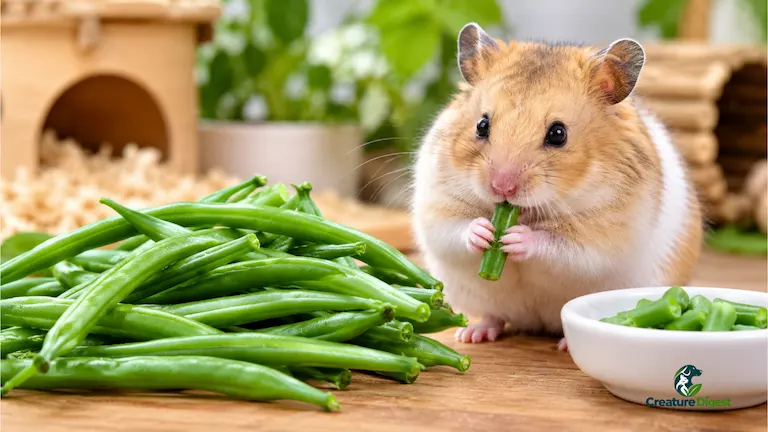
Yes, your hamster can safely eat green beans, but only a tiny bit at a time. Their stomachs are tiny and very sensitive. That means you always need to measure their treats based on their specific breed. If you change their food too fast or give them too many wet vegetables, their stomach will get upset. Hamsters can get bad diarrhea from stress, the wrong foods, or a serious infection called Lawsonia intracellularis (wet tail). If the diarrhea lasts too long, they lose way too much water. When that happens, they need a vet right away.
If you look for feeding advice online, you will probably see a lot of different answers. Some owners say you absolutely have to cook the beans. Other people say raw is the best choice.
This guide keeps things simple. We will look at the real facts, share a nutrition chart made specifically for a hamster’s size, and warn you about sneaky problems like cheek pouch mold.
Some people worry about a natural plant chemical called PHA. This is a type of lectin that is highly toxic in raw kidney beans. However, green beans only have a tiny, harmless trace of these lectins.
Yes. A lot of hamster guides say raw green beans are perfectly fine. They do have a natural plant chemical in them called lectin. But do not worry, the amount is extremely small compared to dangerous raw kidney beans. Because experts sometimes disagree on this, lightly cooking the beans is always your safest bet. Still, raw beans have a firm crunch that hamsters really enjoy chewing on. Plus, skipping the stove means the bean keeps all of its Vitamin C. Just remember that a raw bean might give your pet a little gas if they have a weak stomach.
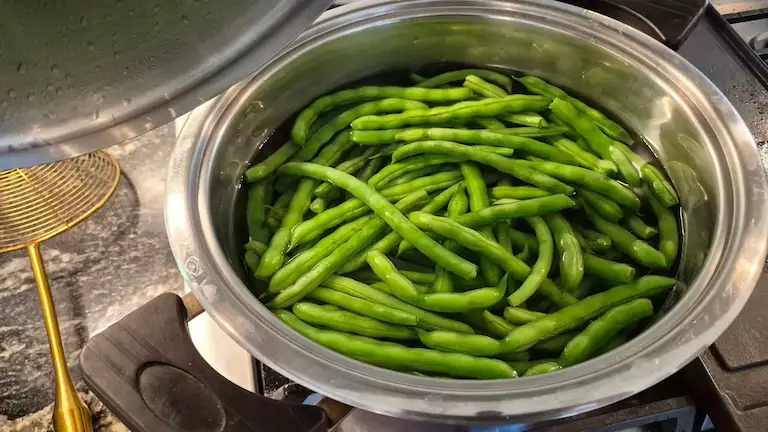
Yes. When you lightly steam a green bean, it breaks down those leftover lectins. That means the bean is a lot easier on your hamster’s stomach. It is the best route to take if you just want to be extra safe.
The Verdict: Most hamster guides say both raw and cooked beans are totally fine. You just have to keep them plain and serve tiny pieces. If you worry about their digestion, steaming is a great way to go. Does your pet get loose poops easily? Stick to steamed beans. But if they have a tough stomach, a raw bean makes an awesome, crunchy snack.
| Preparation | Is it Safe? | Good Points | Bad Points |
| Raw (Washed) | Safe | Firmer texture, keeps Vitamin C, crunchy. | Can cause mild gas. |
| Steamed (No salt) | Safe | Very easy to digest, conservative choice. | Soft texture. |
| Boiled (No salt) | Safe | Very soft for older hamsters with bad teeth. | Loses a lot of vitamins in the water. |
| Fried / Cooked in oil | Toxic | None. | Butter and oil cause severe digestive upset. |
Most websites show nutrition charts for a giant 100-gram serving. A hamster could never eat that much! To make things easier, we did the math for a tiny 10-gram piece of a raw green bean, using real numbers from the USDA FoodData Central.
| Nutrient | Amount per 10 grams | Why It Matters for Hamsters |
| Water | 9.0 grams | Makes up most of the bean, which gives your pet a little extra water on a hot day. |
| Fiber | 0.27 grams | Helps make solid poops. Hamsters break down food in a special gut pouch, and they need this fiber to keep their stomach working right. |
| Sugar | 0.14 grams | Extremely low in sugar. This is great news, because some breeds like Campbell’s dwarf hamsters can easily get diabetes. |
| Calcium | 3.7 mg | Keeps their bones and teeth strong, and this small amount is perfectly safe for their kidneys. |
| Vitamin C | 1.2 mg | Gives them a nice health boost, even though their regular daily food should already give them what they need. |
| Vitamin K | 4.3 mcg | Helps their blood heal and clot normally if they ever get a tiny scratch. |
Note: We pulled these numbers from USDA FoodData Central (FDC ID: 169961) and rounded them off to keep things simple. This chart just shows what is actually inside a green bean. It is not a strict daily diet plan for your hamster.
Green beans are very low in calories. That makes a small piece a great treat every now and then, as long as you are keeping an eye on their everyday meals. Pet hamsters can put on weight really fast. This usually happens when they dig through their bowl just to eat the fatty seeds. A green bean helps your pet feel full and happy, and it does not add any bad fats to their diet.
Only feed your hamster the actual green bean pod. Keep them away from the leaves, stems, and vines of the plant. Those parts aren’t meant for eating. Just stick to the plain pod, and scrub it well with water before you give it to your pet.
Normal green beans are great, but some other beans are actually deadly. Never feed your hamster raw kidney beans, pinto beans, black beans, or lima beans. Those are packed with harsh toxins that can easily poison a small animal. Just buy the basic green beans—sometimes called snap beans or string beans at the store—and you will be fine.
Even safe foods have risks if you feed them the wrong way.
Green beans have a tough string running down the side. A hamster’s throat is very small, and because these strings are unpleasant and highly fibrous, they can be difficult to manage. Always snap off the ends and pull the string off.
You probably know your hamster likes to hide snacks in their cheeks. The problem starts when they do this with a wet, cooked green bean. If a mushy piece gets stuck in their pouch or falls into a corner of the cage, it goes bad fast. Eating that spoiled food will definitely upset their stomach.
Green beans have a lot of water in them. If your pet buries a piece under their bedding, it will start growing mold in no time. You really have to stay on top of clearing out those leftover veggies. Make it a habit to check the cage later the same day and toss out any fresh food they left behind.
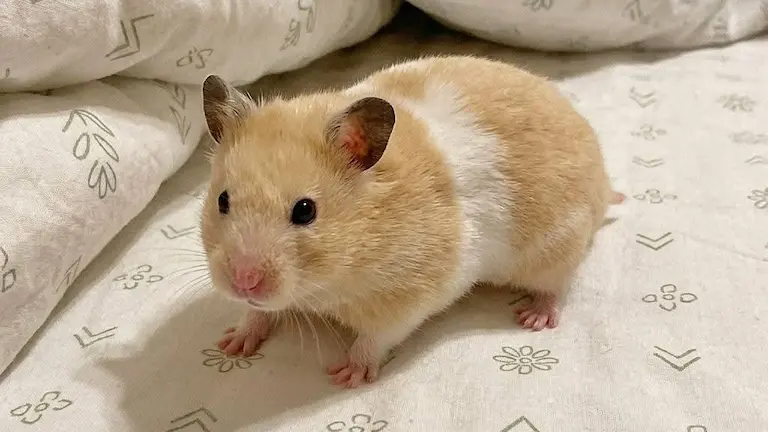
It is easy to feed your hamster too much wet food by mistake. What looks like a tiny piece to you is a giant meal to them. Eating too many fresh veggies at once will quickly cause a bad upset stomach and diarrhea. These amounts are just safe starting points to try at home, not strict vet rules. Here is how much you should offer based on your specific breed.
An average Syrian weighs 120 to 200 grams. A Syrian hamster can start with a small piece of green bean, around 1/2 inch (1.25 cm) long. Offer it occasionally rather than as a daily food.
These are the smallest breed, weighing only 20 to 25 grams. A Roborovski hamster can start with a very small piece, around 1/8 inch (3 mm) long—which is about the size of half a pea—just once a week.
These hamsters weigh between 30 and 50 grams. Dwarf hamsters can start with a small piece, around 1/4 inch (6 mm) long, given one to two times a week.
Fresh green beans are the best option at the grocery store. Buying organic is nice because you don’t have to worry as much about bug spray. But regular green beans are totally fine, too. Just hold them under cold water and rub them well for about 20 seconds to wash away any chemicals.
Plain frozen green beans are also safe, but there is one big rule. You have to let them thaw completely before feeding time. Keep in mind that a thawed bean turns pretty mushy, so your hamster won’t get that nice crunch they get from a fresh bean.
Try to stick to fresh or plain frozen beans. If you do use canned beans, you really have to read the label. Never buy cans that have added salt, heavy sauces, or spices. Because hamsters are so incredibly small, even a tiny bit of extra salt is way too much for their little bodies to handle.
Getting the green bean ready is really easy. Pick a firm bean that has no brown spots. Wash it under cold water for 20 seconds. Then, snap off both ends and peel away that tough side string.
If you decide to cook it, lightly steam the bean until it is tender, without adding salt, butter, or oil. Allow it to cool before serving. Cut the piece to the perfect size for your hamster’s breed and drop it into their food bowl. You shouldn’t feed it through the cage bars, or they might learn to bite the metal. Check the enclosure later the same day to throw out any hidden leftover pieces.
Sometimes a hamster eats a whole green bean by mistake. Try not to panic. You just have to watch your pet very closely. Look to see if they have soft poops. Check if they seem extremely tired. Also, watch out for a wet and smelly bottom.
Stop offering the new food immediately. Next, check the water bottle to make sure water is actually coming out so they can drink. If you notice watery diarrhea, lethargy, loss of appetite, or weakness, you must contact an exotic pet vet right away, as hamsters can become dehydrated quickly.
If your hamster just doesn’t care for green beans, you can try a few other veggies. It is actually better to rotate their treats anyway. Giving them the exact same food day after day means they will miss out on important vitamins.
Cucumber is great for adding extra water on a hot day, but remember to peel the skin and scoop out the seeds first. You might also try broccoli since the rough texture provides variety. Zucchini is a wonderful choice because it has almost no sugar and is very easy on the stomach. Romaine lettuce is another safe, watery snack you can offer.
You do need to watch out for two veggies, though. Iceberg lettuce is less nutrient-dense than darker leafy greens, so other vegetables are generally better choices. Cauliflower is okay to eat, but you should only offer very tiny pieces since it can give them bad gas.
Green beans are a really good, healthy treat for your hamster. You just have to remember to pull off that tough string on the side, and then chop the bean into a safe size for your pet.
Don’t forget to look inside their cage later to throw out any hidden pieces so the food doesn’t rot. As long as you only give them fresh or plain steamed beans and stay far away from salted canned ones, your tiny friend will be perfectly safe.
To make sure we answer everything, here are the top questions hamster owners ask online about feeding green beans.
No. You should only feed green beans 1 to 2 times a week. Green beans are about 90% water. Too much fresh produce can cause digestive upset and soft stools.
Yes. The tiny, soft seeds inside a fresh green bean are perfectly safe. They are very easy for your hamster to chew and digest.
Canned green beans often sit in water that contains added sodium and preservatives. Because hamsters are so small, you should avoid foods with added salt, seasonings, or sauces.
The firmer texture makes raw green beans interesting to chew, but they should not be considered a substitute for appropriate wooden chew items or proper dental care. A soft, cooked green bean will not provide this texture.
Have other pets at home? Make sure your other furry friends are eating safely too. Check out our latest guide on whether dogs can eat taro to learn about hidden toxic roots.
Author Bio: Researched and written by the Creature Digest team. We mix years of real exotic pet experience with expert vet research to write accurate guides with zero fluff. We check every single fact against real medical data. Our goal is to make sure your pets get the safest, healthiest, and most trusted food advice on the internet.